Diffusers and atomisers
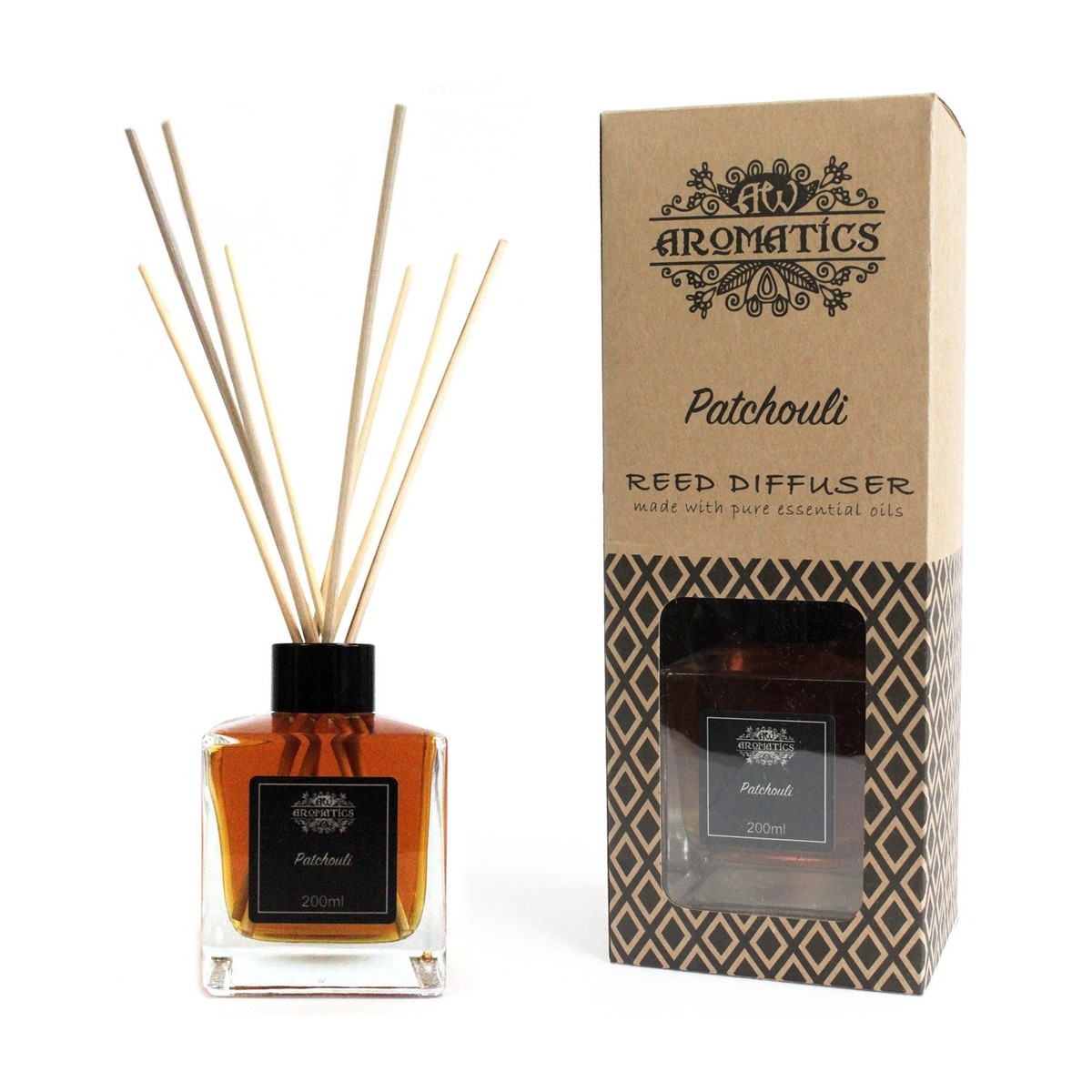
Patchouli Reed Diffuser, 200ml
Deep patchouli, 200ml, reeds included. The one for a hallway.
£18.32

Guide
A reed diffuser is the quietest way to scent a room: no flame, no plug, and nothing to remember to light. Here is how to pick one that suits the room you actually have.
Rattan reeds sit in a bottle of fragrance oil and draw it upwards, where it evaporates into the room. There is no heat and no electricity, so the scent is steady rather than dramatic. That is the whole appeal: it keeps working while you ignore it.
Because nothing is forcing the oil into the air, the size of the room matters more than the number on the bottle. A 200ml diffuser is comfortable in a hallway, a small living room or a bedroom. A large open space will always smell weaker than a box room, whatever you buy.
A bottle usually ships with a set of reeds. The more you stand in the oil, the stronger the scent, because there is more surface area drawing it up. If a diffuser feels too subtle, add a couple more reeds. If it overwhelms a small room, use fewer.
Turn the reeds every week or two, or whenever the scent fades. Turning wets the dry upper ends and lifts the scent again. Over time the reeds clog with oil and stop drawing properly; that is the moment to replace the reeds rather than the whole bottle.
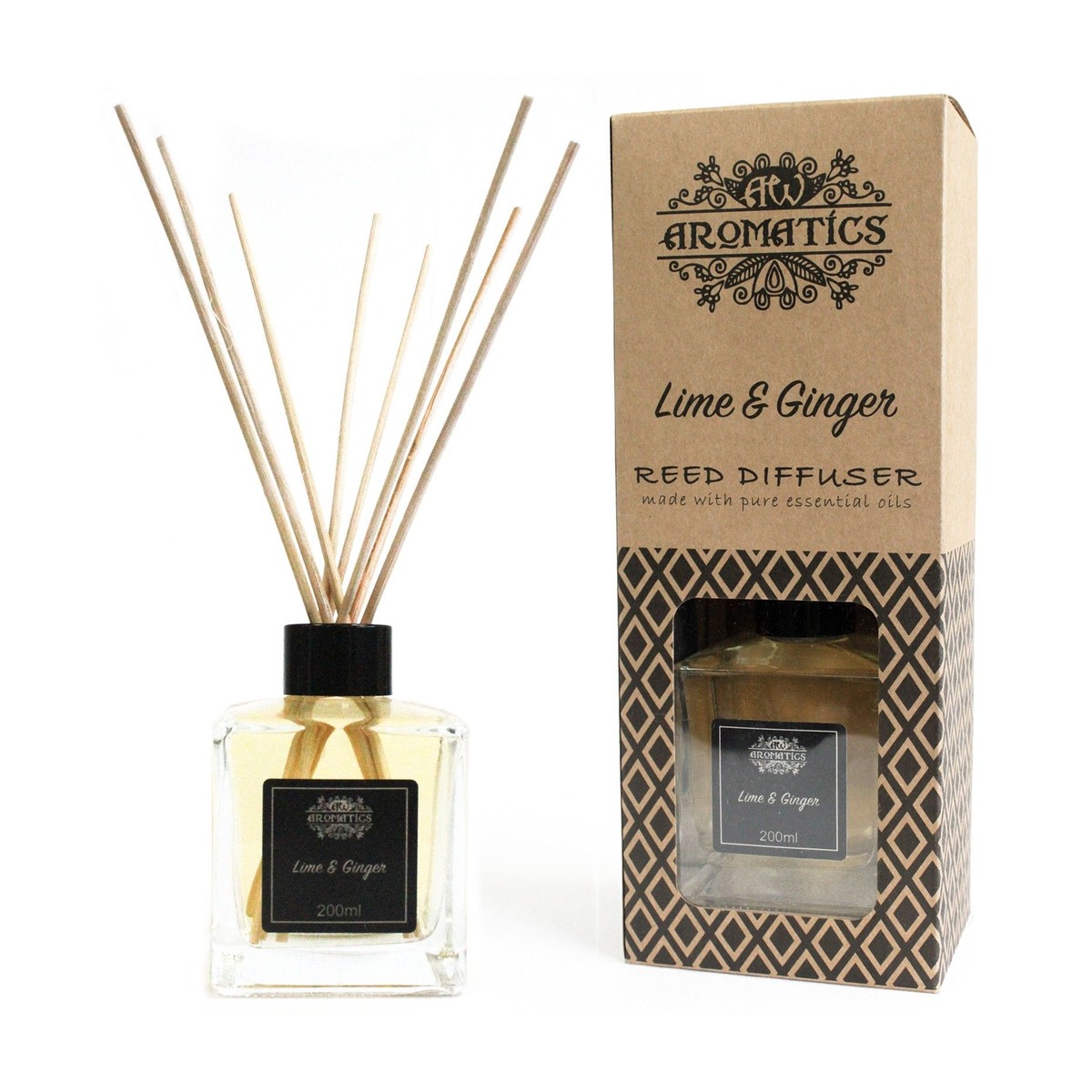
Think about how the room is used rather than the season. A hallway wants something you notice in passing, so a fuller scent works: patchouli is the deep, earthy one. A kitchen or a front room that needs waking up suits something brighter, which is where lime and ginger earns its place.
Bedrooms and small rooms take a lighter hand: fewer reeds does more than hunting for a weaker fragrance. If you are buying blind for someone else, a scent that sits between warm and fresh is the safer bet.
Keep a diffuser out of direct sunlight and away from radiators, because heat makes the oil evaporate faster and shortens its life. Stand it on a stable, flat surface where it will not be knocked, and wipe up drips promptly: fragrance oil can mark some polished or painted finishes if it sits.
Keep diffusers out of reach of children and pets, and never tip one up to speed it along. Used properly, a reed diffuser needs no attention at all, which is the point of it.
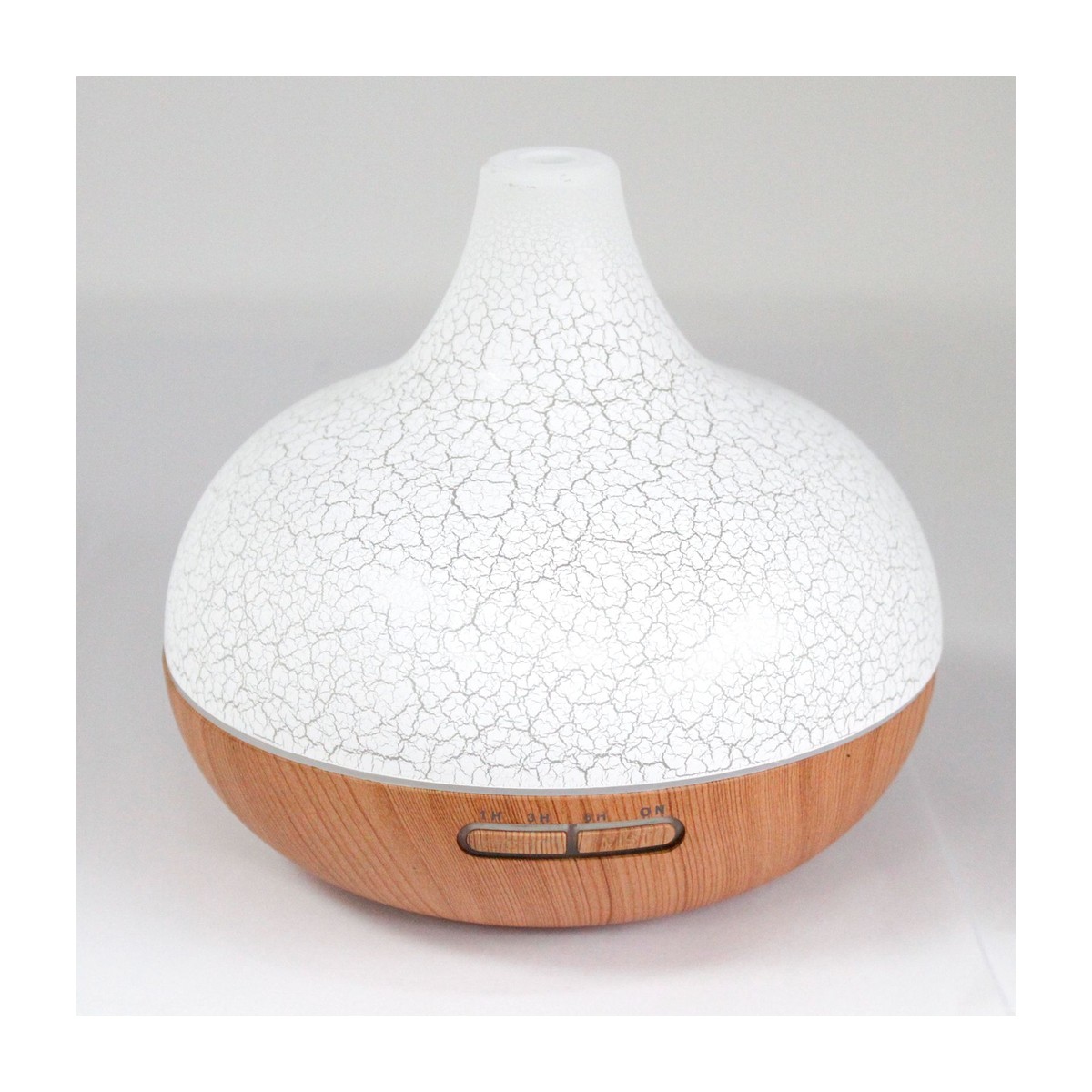
A reed diffuser is passive and constant. An ultrasonic atomiser or diffuser needs water and power but throws scent faster, and it can light a room with a flame effect or a colour change. A candle gives the strongest, most immediate scent but only while it burns, and it needs watching.
If you want scent that is simply always there, choose reeds. If you want scent plus a bit of light and you do not mind topping up water, choose an atomiser. Plenty of homes end up with both.
We carry two 200ml essential oil reed diffusers with natural rattan reeds: patchouli (£18.32) and lime and ginger (£18.32). They cost the same, so the choice is entirely about the mood you want.
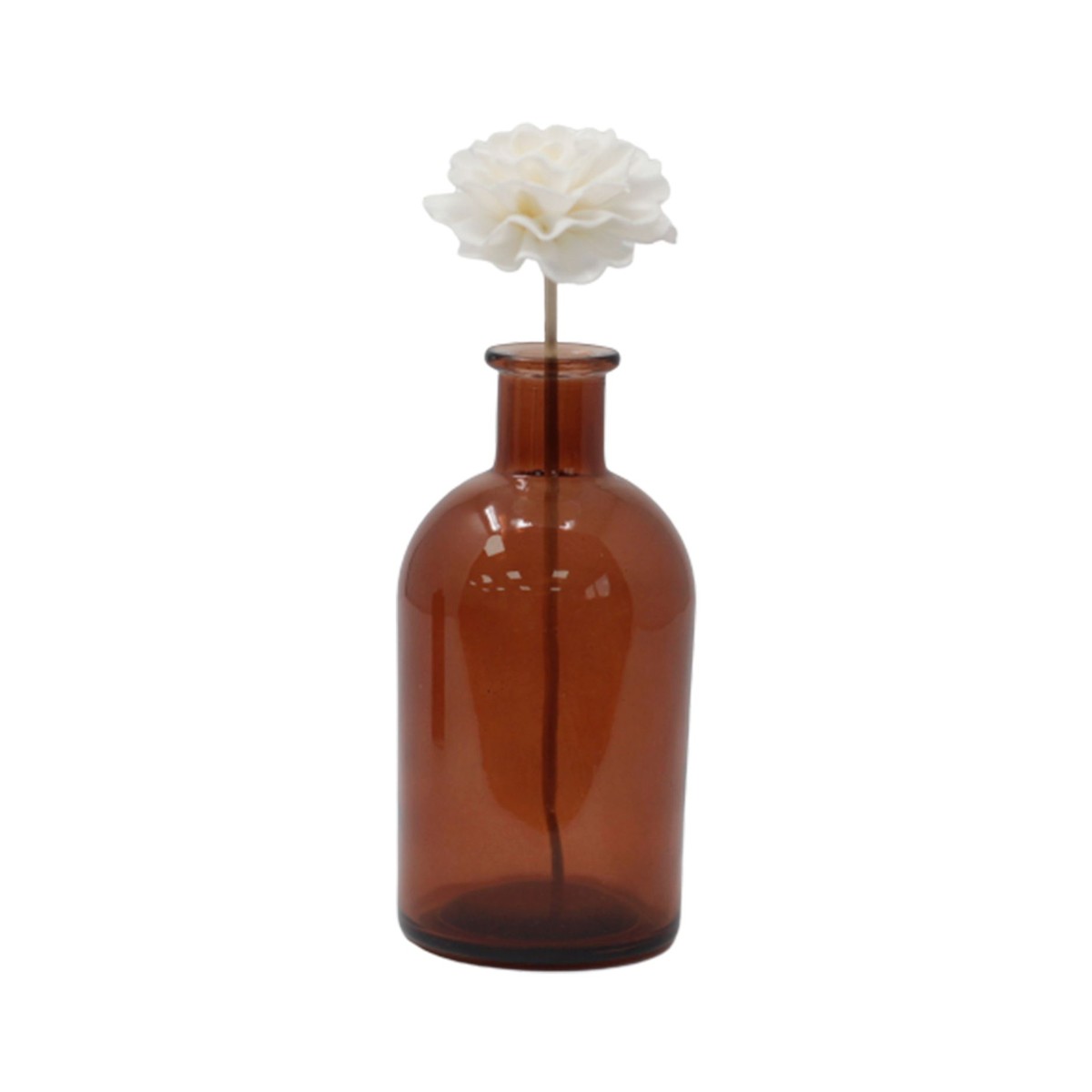
If you like flowers in the bottle, a set of diffuser flowers (£11.95) fits a standard diffuser and gives you something to look at as well as smell. There are also two gift sets that pair a diffuser with other pieces if you are buying for someone else.
Diffusers and atomisers
Deep patchouli, 200ml, reeds included. The one for a hallway.
£18.32
Diffusers and atomisers
Bright lime over warm ginger. Sharp and clean rather than sweet.
£18.32
Flowers and extras
Sola flowers on rattan reeds. Something to look at as well as smell.
£11.95
Diffusers and atomisers
Shell effect, USB. No flame and no plug socket needed.
£25.04
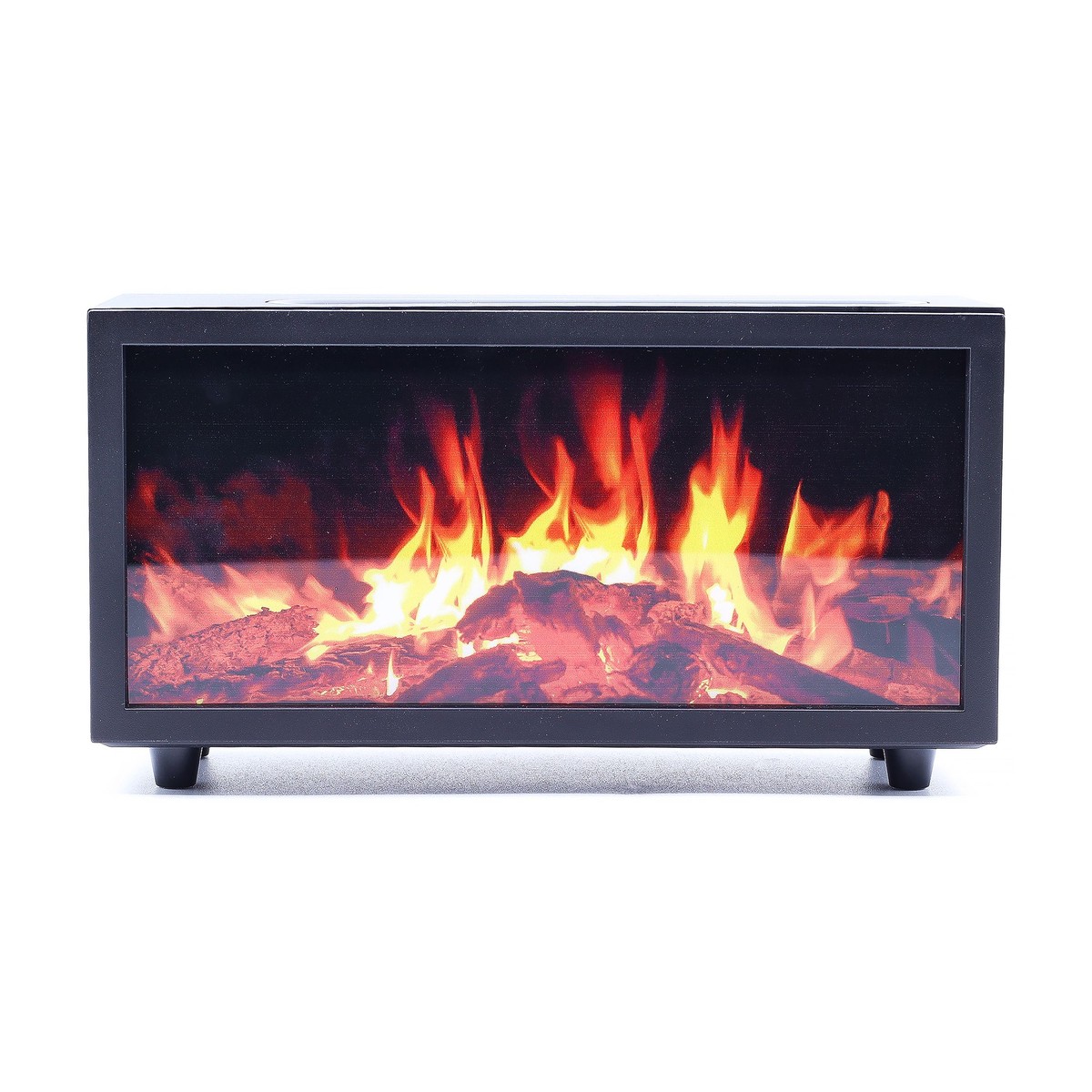
Diffusers and atomisers
Flame effect and birdsong. The one people ask about when they see it.
£30.26